Entry · Ref CAJUEOA4
How Residential Drain Cleaning Tacoma Helps Extend the Life of Your Pipes
- Posted
- 2026-09-23
- Last amended
- 2026-09-23
- Account
- @daltonmbem380
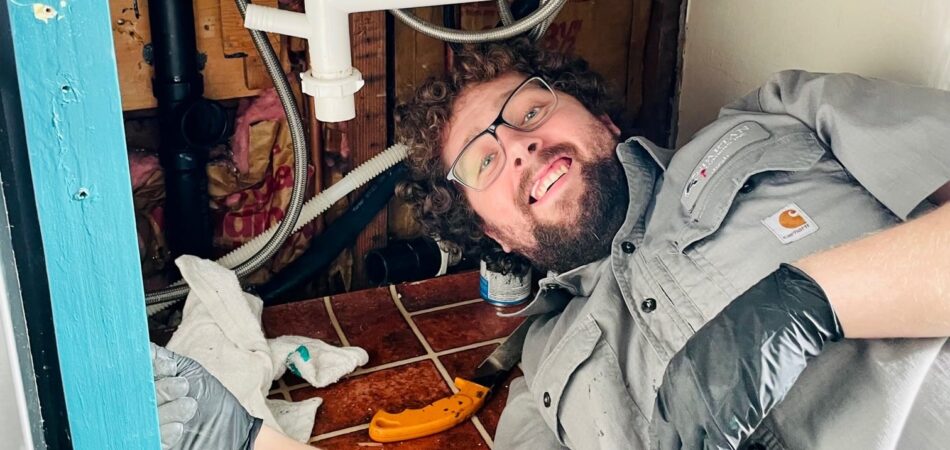
Most homeowners think about drains when water stops moving. That makes sense. A clog is loud, messy, and impossible to ignore. What often gets missed is the slower damage that happens long before a sink backs up or a shower starts pooling at your feet. Pipes wear out in dramatic ways sometimes, but more often they deteriorate quietly through buildup, pressure, corrosion, and repeated strain.
That is where Residential Drain Cleaning Tacoma becomes more than a convenience service. Done at the right intervals and with the right methods, drain cleaning can reduce stress on your plumbing system, help prevent premature pipe failure, and lower the odds of major repairs that start with something as simple as grease in a kitchen line or soap scum in a bathroom branch.
In houses across Tacoma, plumbing systems face a mix of common challenges. Some homes have aging galvanized or cast iron sections. Others have newer PVC drain lines connected to older sewer laterals. Tree roots are a familiar issue in many neighborhoods, especially where mature landscaping sits close to sewer lines. Then there is the climate itself. Heavy rain does not directly clog indoor drains, but wet ground and shifting soil can expose weak points in old underground piping. When a drain line is already compromised by years of buildup, that extra pressure can turn a manageable maintenance problem into an excavation job.
The value of drain cleaning is not just that it restores flow. The real value is that it protects pipe walls, joints, and fittings from the kind of repeated stress that shortens service life.
What buildup actually does inside a drain line
A drain pipe can look functional from the outside while narrowing steadily on the inside. Kitchen lines are famous for this. Grease does not always create an immediate blockage. More often it coats the pipe wall in layers. Food particles catch on that sticky film. Over time, the line loses diameter. Water still passes through, but it moves less efficiently.
That slower movement matters. When water and waste move through a pipe at the proper rate, they help carry debris away. When flow slows down, solids linger. Heavier material settles. Organic matter starts to decompose inside the line. Odors develop, and more buildup follows. It becomes a cycle.
Bathroom drains create a different kind of restriction. Hair combines with soap residue into dense tangles that grab more debris each week. Toothpaste, shaving products, and hard water scale can make the pipe wall rougher, which gives the next layer something to cling to. Laundry drains can accumulate lint and detergent residue. Floor drains often collect sediment that homeowners do not notice until there is a problem.
None of this is harmless just because it happens gradually. A partially blocked line puts your drainage system under repeated strain. Fixtures may gurgle. Water can surge and recede unpredictably. Traps may siphon improperly. Wastewater can sit in sections of pipe longer than intended. The plumbing does not fail all at once, but each of those conditions pushes it closer.
The link between clogged drains and shorter pipe life
Homeowners usually connect pipe damage with freezing, corrosion, or root intrusion. Those are real concerns, but persistent drain restriction deserves a place on the list.
When a line is narrowed by buildup, pressure patterns change. Drain systems are not pressurized the same way supply lines are, but they still depend on gravity, venting, and unobstructed flow. Restrictions can cause turbulence, standing water, and repeated backups. That combination is hard on joints and fittings, especially in older systems where seals may already be vulnerable.
Standing wastewater is particularly rough on aging metal pipe. In cast iron or galvanized drain lines, moisture and trapped waste speed internal deterioration. Scale forms, flakes off, catches debris, and narrows the passage even more. I have seen old kitchen branches that looked serviceable from the outside but were nearly closed off inside. At that point, cleaning can restore function temporarily, but the line may already be deep into its decline.
Even in newer PVC systems, blockages can create avoidable wear. Repeated snaking by a homeowner using the wrong cable, or repeated exposure to harsh chemical drain cleaners, can damage plastic piping over time. The issue is not the material alone. It is what homeowners do when a slow drain becomes a recurring nuisance. A pipe that might have lasted decades under normal conditions can be weakened by the wrong response to ongoing clogs.
That is one of the overlooked advantages of professional Residential Drain Cleaning Tacoma services. A good technician is not just trying to get the water moving again. They are evaluating how the line is behaving, what kind of buildup is present, and whether the cleaning method itself could help preserve the pipe rather than punish it.
Why Tacoma homes benefit from a proactive approach
Tacoma has a broad mix of housing stock. Some neighborhoods have homes that are old enough to include original drain materials or multiple generations of patchwork repairs. In those houses, maintenance matters more because margins are thinner. A modern home with clean PVC drains may tolerate neglect longer. An older home with decades of wear often will not.
Root intrusion is another practical reason to stay ahead of drain problems here. Roots do not need a giant break to enter a sewer line. A tiny joint separation or hairline crack can be enough. Once they find moisture, they expand. Then they trap paper and waste, which creates a clog that gets worse every month. Clearing roots early can sometimes preserve the line for years. Waiting until backups become frequent often means the pipe wall has already suffered enough damage to require repair or replacement.
There is also a cost issue that homeowners feel immediately. Emergency plumbing work is almost always more expensive than planned maintenance. A routine cleaning appointment is simpler to schedule, easier to budget for, and less likely to involve drywall cuts, flooring damage, or sewage cleanup. When drain cleaning extends pipe life, it is not just preserving infrastructure. It is protecting the house around it.
Cleaning methods matter more than many people realize
Not every clog should be treated the same way. That sounds obvious, but many pipe problems get worse because the first response is too aggressive or too generic.
A hand auger or small power snake may be exactly right for a localized hair clog near a tub drain. It is fast, targeted, and minimally invasive. The same approach may be ineffective against heavy grease buildup coating twenty feet of kitchen branch line. In that case, the cable might punch a narrow opening through the blockage while leaving most of the residue on the pipe walls. Water begins flowing again, the homeowner feels relief, and then the drain slows right back down a few weeks later.
Hydro jetting can be a stronger solution for certain lines because it clears residue off the pipe interior rather than just boring through the middle. When used appropriately, it can remove grease, sludge, soap buildup, and some root intrusion more thoroughly. But this is where judgment matters. A deteriorated old pipe with thin walls or fragile joints may not be a candidate for high-pressure cleaning until its condition is assessed. The best technicians know when to escalate and when to take a more cautious route.
Video inspection is useful for the same reason. It answers the question behind the symptom. Is the problem just buildup, or is there a sag in the line holding water? Is that recurring clog caused by wipes and grease, or by roots entering through a cracked joint? Cleaning without understanding the underlying condition can Residential Drain Cleaning Tacoma spartanplumbinginc.com restore flow but miss the reason the trouble keeps coming back.
A clean drain reduces corrosion, residue, and hidden moisture problems
One of the clearest ways drain cleaning helps pipes last longer is by limiting how long corrosive or residue-laden waste sits inside them. This matters most in metal piping, but it affects any system.
Grease and food waste break down into compounds that cling and smell. Soap residue traps moisture. Hair mats hold organic debris in place. All of this increases dwell time inside the line. The longer waste remains in contact with the pipe wall, the more opportunity it has to contribute to corrosion, bacterial growth, and material degradation.
There is also the problem of micro-leaks and seepage. A badly restricted line may not burst, but backups and standing water can expose weak joints repeatedly. You may never see a dramatic leak under the sink. Instead, you notice a cabinet floor that feels soft, a musty smell near a wall, or staining around a cleanout. By then, the damage has moved beyond the drain itself.
Keeping lines clear improves drainage speed and consistency. That reduces the time wastewater spends sitting in vulnerable areas and lowers the chance that weak seals will be tested over and over again.
Warning signs that should not be ignored
Homeowners often wait too long because the system still seems to work most of the time. Intermittent symptoms are easy to rationalize. A sink drains slowly on Monday, then seems fine on Thursday. The toilet bubbles once and never again. The shower smells odd for a week, then the odor fades.
Those are not random quirks. They are often early signs that the line is collecting buildup or developing a partial obstruction.
Here are a few signals worth taking seriously:
- slow drainage in more than one fixture
- recurring clogs in the same sink, tub, or shower
- gurgling sounds after flushing or draining water
- unpleasant odors coming from drains
- water backing up in the lowest fixture when another fixture is used
One symptom does not always mean a major issue. Two or three together usually mean the problem is established enough that waiting will not help.
Why chemical drain cleaners can shorten pipe life
It is easy to understand the appeal. You pour a bottle into the drain, wait, and hope the problem disappears. Sometimes the water does begin to move again. The trouble is that chemical cleaners often trade short-term convenience for long-term wear.
Caustic cleaners generate heat and rely on aggressive reactions to break down clogs. In older metal piping, repeated use can accelerate internal damage. In plastic piping, the chemicals may not destroy the pipe outright, but they can soften or stress certain components if misuse becomes habitual. If the product sits in standing water without clearing the clog, the pipe and fittings stay exposed longer than intended.
There is another practical issue. Once those chemicals are in the line, they make the next step more hazardous. If a plumber has to open the trap, cable the drain, or handle wastewater after a failed chemical treatment, there is added risk of splash injury and fume exposure.
For a one-time minor slowdown, a mechanical cleaning method is usually safer for the plumbing. For recurring issues, it is better to identify the cause rather than keep pouring harsher products into the same line.
Maintenance works best when it reflects the home
A good drain cleaning schedule is not universal. A household with two adults who cook lightly and have short hair uses drains very differently from a household with five people, daily laundry, long showers, and heavy kitchen use. Pipe age and material matter too.
Some homes benefit from a professional cleaning every year or two. Others can go longer, especially if the drains are newer and household habits are careful. Homes with known root issues or a history of grease buildup may need more frequent attention. This is where local experience matters. A plumber who regularly handles Residential Drain Cleaning Tacoma jobs will usually have a practical sense of what certain neighborhoods and housing types tend to need.
One detail worth remembering is that maintenance cleaning is different from emergency clearing. Emergency work focuses on restoring function under pressure. Maintenance gives the technician time to clean more thoroughly, inspect problem areas, and recommend changes before the line reaches failure mode.
The kitchen drain tells the story most clearly
If you want a simple example of how drain cleaning extends pipe life, look at the average kitchen line. It handles grease, fine food particles, starches, soap, and hot water. Many homeowners assume hot water sends everything safely down the drain. It does not. Grease may liquefy briefly, then cool and adhere farther down the line where you cannot see it.
Over months or years, that coating thickens. The pipe becomes narrower, rougher, and more prone to trapping solids. The sink may still drain, but more slowly. Someone reaches for a plunger, then a chemical cleaner, then perhaps a small hand snake. Each attempt addresses the symptom without removing the full accumulation.
Professional cleaning can strip much of that residue away. The flow improves, odors diminish, and the pipe stops carrying a constant internal burden of decomposing waste. If the line is cleaned before the buildup becomes extreme, the pipe has a much better chance of reaching its normal service life.
I have seen homeowners surprised by how much better their plumbing sounds after a proper cleaning. Not just drains moving faster, but less gurgling, fewer smells, and fewer odd backups in adjacent fixtures. Those subtle changes matter because they point to a system working with less friction and less stress.
Older pipes need a careful hand, not neglect
There is a common fear among owners of older homes that cleaning the drains will somehow damage fragile pipes. The more accurate statement is that the wrong cleaning method can damage fragile pipes, while the right one can help preserve them.
That distinction matters. If a cast iron line is heavily scaled, ignoring it does not make it safer. Letting the buildup continue usually means slower drains, more standing waste, and more internal deterioration. What the line needs is a measured assessment. Sometimes that means starting with a camera inspection. Sometimes it means using a less aggressive cable tool rather than immediate hydro jetting. Sometimes it means the inspection reveals that a section is too far gone and should be replaced rather than repeatedly cleared.
This is not a sales pitch for over-treatment. It is the opposite. Pipe longevity depends on choosing the least destructive effective option. Skilled drain cleaning is valuable because it respects the condition of the system while addressing the material inside it.
Habits that support cleaner drains between service visits
Professional cleaning works best when homeowners do not undo it in the next month. Small daily choices make a real difference, especially in kitchens and shared bathrooms.
A few habits go a long way:
- scrape food waste into the trash or compost before washing dishes
- collect grease in a container instead of rinsing it into the sink
- use drain screens where hair is a recurring issue
- avoid flushing wipes, cotton products, or paper towels
- pay attention to slower drainage before it turns into a backup
None of these steps eliminates the need for occasional cleaning, but they slow the rate of buildup and reduce the severity of future blockages.
When drain cleaning reveals a bigger problem
Not every recurring clog is a maintenance issue. Sometimes cleaning is the event that uncovers the real fault in the system. That is still valuable.
A line that repeatedly clogs in the same location may have a belly, meaning a low spot where water and solids collect. An exterior sewer line may have root intrusion severe enough that cleaning only buys limited time. A branch line may be undersized for how the space is used after a remodel. In some homes, what looks like a drainage issue is partly a venting problem that affects how fixtures empty.
Drain cleaning is often the first diagnostic step because it separates simple obstructions from structural trouble. If the line is cleaned thoroughly and symptoms return quickly, that tells you something important. It means the goal is no longer just maintenance. It is correction.
The upside is that early discovery almost always preserves options. A camera inspection after cleaning may show a localized repair is enough. Waiting another year may turn that same issue into a full replacement.
The long view is where the savings show up
Homeowners often judge plumbing services by the immediate result. Did the sink drain? Did the toilet stop backing up? Those are fair questions, but they are short-term measures.
The better measure is what does not happen over the next five or ten years. Fewer emergency calls. Less cabinet damage. Fewer sewer smells. Fewer recurring clogs that trigger another weekend of plungers and store-bought drain products. Most important, fewer situations where neglected buildup contributed to premature pipe failure.
Pipes are not cheap to replace, especially when access is difficult or when older homes present surprises behind walls and under floors. Extending pipe life by even a modest number of years can represent significant savings. More than that, it reduces disruption. Plumbing projects have a way of spreading beyond the line itself into drywall repair, flooring, landscaping, and time off work.
That is why regular Residential Drain Cleaning Tacoma service should be viewed as part of asset care, not just problem response. A home’s drain system is one of those invisible networks that only gets attention when it fails. Keeping it clean gives the materials a fair chance to do the job they were built for, with less stress, less residue, and less avoidable wear.
When drains move the way they should, the whole plumbing system works more gently. That is good for fixtures, good for pipes, and good for the people living with them every day.
Spartan Plumbing Services
Address: 760 107th St S, Tacoma, WA 98444
Phone number: +12534998773
FAQ About Residential Drain Cleaning Tacoma
How much does it cost to have someone clean your drains?
Professional drain cleaning costs between $147 and $352 on average, with most homeowners paying around $246. The final price is heavily determined by the type of drain affected, the clearing method needed, and your geographic location.
How much does it cost to clean a drain line?
Professional drain cleaning costs between $147 and $352 on average, with most standard residential jobs landing right around $246. However, your final bill can scale from $100 to over $800 depending entirely on which drain is clogged and the method required to clear it.
Is professional drain cleaning worth it?
Yes, professional drain cleaning is worth it because it clears deep buildup and prevents expensive plumbing emergencies.